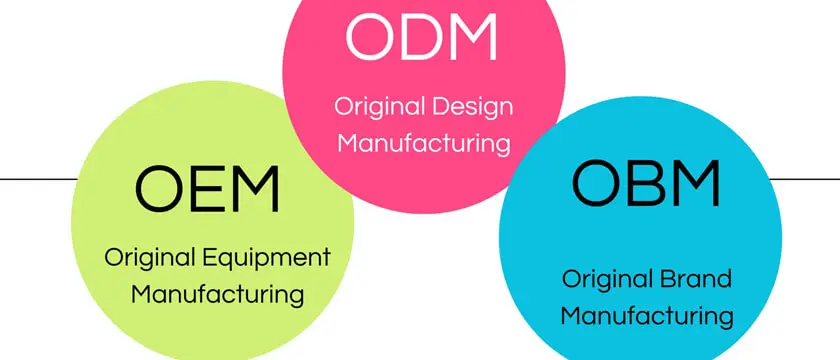
“Can you make this with my logo?” is the question that reveals whether you have thought through your sourcing model. The three standard models—OEM, ODM, and white label—differ dramatically in cost structure, intellectual property exposure, and who owns the design. Picking the wrong one is the most common reason first-time importers overpay or end up with a product indistinguishable from competitors'.
Definitions, Precisely
- OEM (Original Equipment Manufacturing): You bring the design; the factory builds it. Drawings, specifications, and usually tooling are yours. The manufacturer’s role is execution.
- ODM (Original Design Manufacturing): The factory brings a proven design; you customize selected elements—color, materials, features, branding—and sell under your brand. The underlying design remains the factory’s.
- White Label: You take the factory’s existing product, essentially unchanged, and apply your label. No design input beyond packaging and branding.
The terminology gets abused in sales conversations—suppliers call their stock products “OEM” to sound flexible. Judge by the contract, not the label: who owns the design and tooling?
The Trade-Off Matrix
| Dimension | White label | ODM | OEM |
|---|---|---|---|
| Speed to market | Weeks | 1–3 months | 3–9+ months |
| MOQ | Lowest | Low–medium | Highest |
| Tooling cost | None | Modest (modifications) | Significant (your molds) |
| Unit price | Highest per unit | Middle | Lowest at scale |
| Differentiation | None | Moderate | Full |
| IP exposure | Low (but identical to competitors) | Moderate–high | Your IP, protected if contracted |
When Each Model Wins
White label suits channel testing: validating demand on Amazon or in a retail program before committing to development. The risks are commoditization—your “brand” is a sticker on the same unit as fifty other sellers—and thin margins defended only by marketing. Use it to learn a category, not to build a moat.
ODM is the workhorse of modern China sourcing. Factories in categories like electronics, home goods, and beauty maintain libraries of proven designs that pass existing certifications, and buyers tailor them with feature changes and exclusive colorways. The critical discipline: define what is genuinely customized versus shared. If the tooling exists in the factory’s catalog, nothing stops the factory selling the base product to your competitor—unless your contract assigns modification rights and restricts use of customized molds. ODM without a written non-use agreement is white label with extra steps.
OEM is the right call when differentiation is the product—custom dimensions, proprietary mechanisms, engineered cost-downs. You pay for tooling (¥20,000 to several hundred thousand for molds), longer development cycles, and higher engineering effort, and in exchange you get a product competitors cannot simply order. OEM also demands the strongest legal scaffolding: your drawings, your molds, your specifications, protected by an NNN agreement (non-disclosure, non-use, non-circumvention) and clear mold-ownership clauses that let you repossess tooling if the relationship ends.
The Model Most Buyers Should Actually Start With
A staged path beats a single choice: white label to validate demand, then ODM with documented customization to build differentiation, then OEM investment only on proven SKUs. Each stage builds volume history with the factory, which improves pricing and priority at the next stage. Jumping straight to OEM tooling on an unvalidated product is how containers of unsellable custom inventory happen.
Questions to Ask Any Supplier
- “Is this design yours, or can you build to my drawings?” (Separates ODM from true OEM capability.)
- “Who pays for and owns the molds, and what happens to them if we stop working together?”
- “Has this base design been sold to other buyers? Can exclusivity in my market be contracted?”
- “Which of your certifications apply to the modified version?” (Changes can void existing test reports—a hidden ODM cost.)
The answers—more than the price list—tell you what model you are actually being offered.
Ready to pick the right model with a factory that can support it? Submit your RFQ and describe your product stage—our matching process pairs you with manufacturers set up for OEM, ODM, or flexible white-label programs.