Product Overview
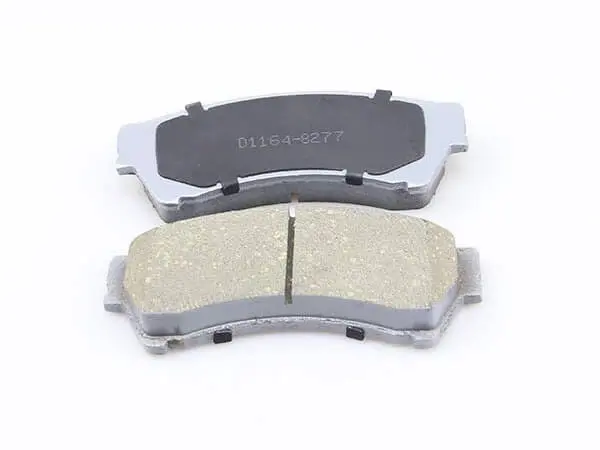
Ceramic brake pads dominate the passenger-car aftermarket for their low dust, quiet operation, and rotor-friendly wear profiles, while commercial fleets demand heavy-duty low-metallic formulations that survive sustained thermal loads. The manufacturing differentiators are process-driven: positive-mold pressing produces uniform density that prevents taper wear, automated mixing eliminates batch-to-batch friction variation, and proper thermal cycling validation catches delamination before containers ship. Established factories in the Ningbo-Ruian corridor supply ECE R90-certified pads to EU distributors, with per-batch shear-strength and compressibility test reports available as standard documentation.
The R90 certification matters operationally: uncertified pads expose EU distributors to blocked customs entries and liability exposure, making authentic E-marking on backing plates a non-negotiable purchase-order line item.
Distributors serving mixed climates should stock both formulation families: all-season ceramic for urban fleets and low-metallic for mountainous regions, where sustained descent braking overheats pure-ceramic compounds.
OEM & Customization Capabilities
- Formulation Tiers – Develop a good/better/best ladder: ceramic for retail quietness, low-metallic for performance channels, and heavy-duty formulas for commercial and towing applications.
- Design Details – Chamfered and slotted geometries, shim attachments with rubber coatings, and OE-style wear indicator integration per platform.
- Fleet & Retail Packaging – Shrink-wrapped sets with grease sachets and hardware kits, or bulk fleet packaging with VIN-batch labeling and QR traceability.