Product Overview
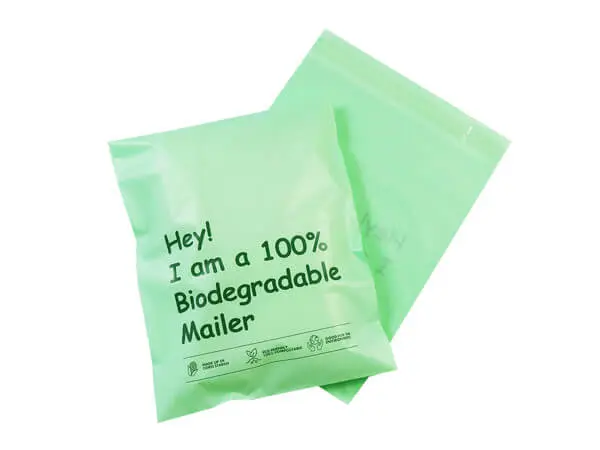
As consumers push back against single-use plastics, compostable poly mailers have become the gold standard for apparel and soft-goods shipping. Made from a bio-resin blend of PBAT, PLA, and cornstarch, these mailers feel and perform exactly like traditional plastic (waterproof, tear-resistant, stretchable) but break down completely into water, CO2, and organic biomass in a compost environment within 180 days.
Shelf-life management is the inventory discipline: PLA and PBAT blends begin embrittlement at 12-18 months in warm warehouse storage, and buyers should size inventory turns to under 9 months to prevent in-warehouse degradation failures.
Home versus industrial composting claims require precise certification: the Home compost certificate is stricter than the industrial variant, and brands marketing curbside compostability in municipal programs need the Home certificate explicitly.
Seal integrity in humid climates tests adhesive formulation: compostable adhesives underperform conventional plastic-mailer adhesives in high-humidity shipping, and buyers in tropical markets should request humidity-cycle seal-strength test data before committing to seasonal programs.
Certification & Compliance Sourcing
The “bio-plastics” market is riddled with greenwashing (e.g., oxo-degradable plastics that merely fragment into microplastics). Verified Chinese biopolymer packaging clusters strictly adhere to global composting standards. When sourcing these mailers, factories provide authentic BPI and TUV Austria certificates, ensuring your brand is legally compliant with strict packaging regulations in regions like the EU, California, and Australia.