Product Overview
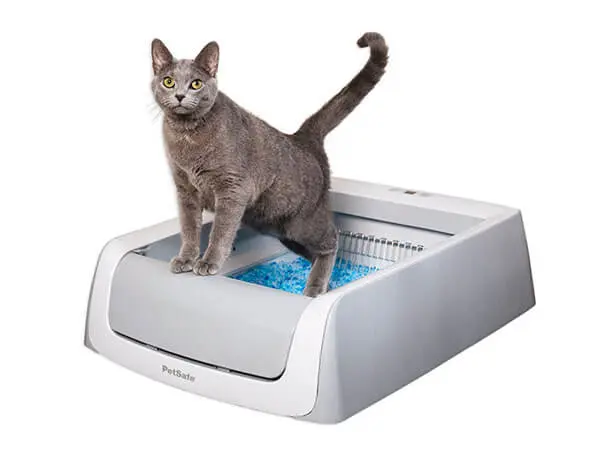
The automatic self-cleaning litter box is the ultimate high-ticket item in the pet industry. It completely eliminates the daily chore of scooping waste. After the cat exits, the internal drum slowly rotates, sifting the clean litter and dropping the clumps into a sealed, odor-controlled waste drawer below. Connected apps track the cat’s weight and bathroom habits, providing early warnings for urinary health issues.
Safety-sensor redundancy is the liability centerpiece: single-sensor systems have documented cat-injury incidents that generate viral news coverage, and buyers should specify multi-sensor arrays (infrared plus weight plus radar) with per-unit functional testing records.
Motor torque specifications determine clumping-litter compatibility: underpowered motors jam on premium clumping litters and generate the dominant complaint pattern, and buyers should verify torque ratings against a litter-compatibility matrix before SKU launch.
App stability under subscription models is the recurring-revenue foundation: cloud-dependent units that brick when subscription lapses generate consumer-protection complaints, and buyers should evaluate offline-fallback functionality as a long-term brand-protection specification.
Engineering and Quality Assurance
Because this device involves moving mechanical parts and live animals, safety and reliability are paramount. Top-tier manufacturers employ redundant safety systems (combining gravity, infrared, and radar sensors) that instantly halt the motor if a cat approaches during a cleaning cycle. B2B buyers sourcing these complex machines benefit from factories with rigorous lifecycle testing, ensuring the motors and sifting nets can withstand years of continuous use without jamming.