Product Overview
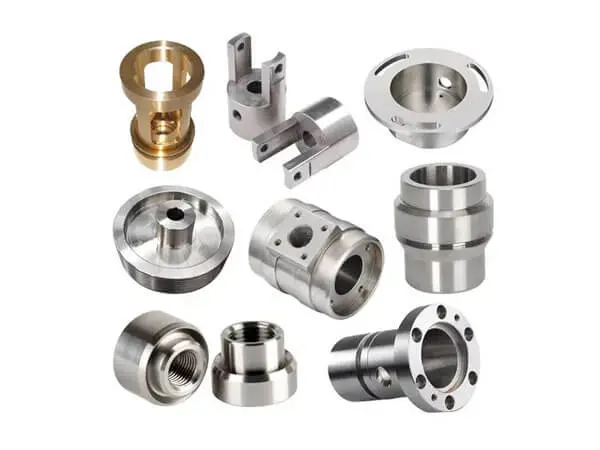
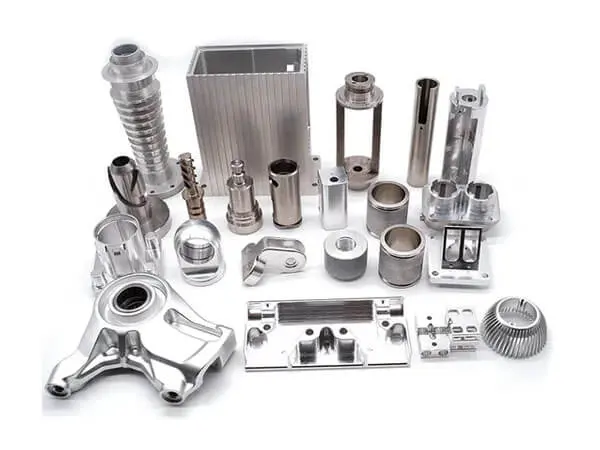
Titanium is notorious for being exceptionally difficult to machine due to its high strength, low thermal conductivity, and tendency to work-harden. However, its unparalleled strength-to-weight ratio and supreme biocompatibility make it indispensable. Custom 5-Axis CNC machined titanium components are the critical elements in jet engine turbines, high-performance racing suspensions, and life-saving orthopedic implants.
Material certificate authenticity is the aerospace-grade filter: mill test certificates traceable to heat numbers prevent the titanium-substitution fraud common in high-value alloys, and buyers should specify third-party PMI (positive material identification) verification on first articles.
Surface integrity specifications affect fatigue life: machining titanium generates subsurface stress that precision programs must control, and specifying surface-roughness targets with profilometer verification per batch separates precision shops from general machinists.
Programming-file confidentiality deserves contractual protection: CAD files for proprietary geometries leaked to competitors enable copycat production, and enforceable non-disclosure agreements with Chinese jurisdiction clauses are standard practice in precision-engineering sourcing.
Direct Engineering Sourcing
Procuring complex titanium parts requires absolute trust in a facility’s engineering capabilities. By connecting with audited precision engineering hubs in Dongguan or Kunshan, B2B buyers deal directly with master programmers operating state-of-the-art 5-axis DMG MORI or Haas machines. Verified suppliers provide complete material traceability (Mill Test Certificates) and full First Article Inspection (FAI) reports before commencing any mass production run.