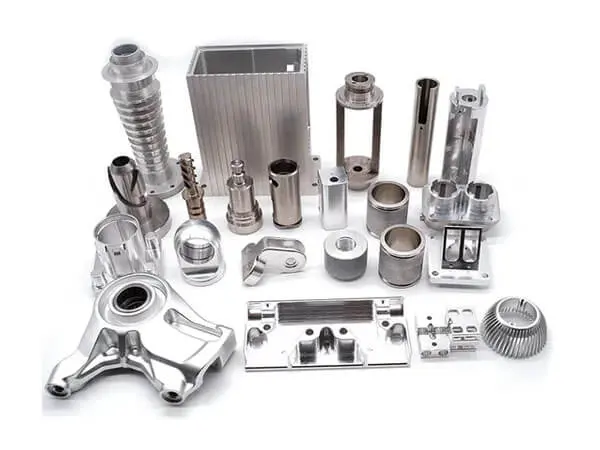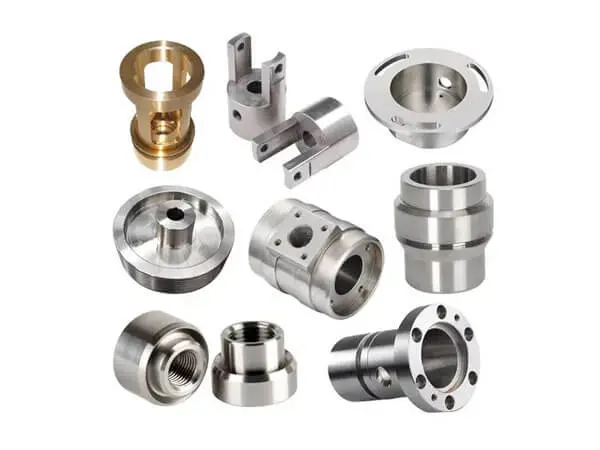
Product Overview
Brass remains the material of choice for fluid control, pneumatics, and HVAC components due to its excellent machinability, corrosion resistance, and low friction coefficient. Precision CNC turned brass fittings, including custom hose barbs, manifold valves, and threaded adapters, require strict dimensional accuracy to ensure zero-leak performance in high-pressure environments.
Swiss-type lathe capability determines geometric complexity: multi-spindle Swiss machines hold tight tolerances on long slender fittings that conventional lathes cannot, and buyers with complex bar geometries should verify machine-type lists before technical review.
Lead-free brass documentation is the drinking-water market gate: NSF/ANSI 61 and 372 compliance requires material certificates per lot, and declared lead-free alloys without named-mill traceability fail regulatory audits in EU and North American programs.
Deburring-process specification affects sealing performance: residual burrs on seal faces cause leak paths that field failures trace back to manufacturing, and specifying verified deburring methods per drawing notes prevents warranty claims.
Volume Manufacturing Capabilities
Brass turning is a highly automated, high-volume production process. Sourcing directly from specialized machining clusters ensures access to factories equipped with Swiss-type CNC lathes and automated bar feeders. This allows for rapid cycle times and rock-bottom per-unit costs. Furthermore, certified factories strictly adhere to RoHS directives, offering lead-free brass alternatives required for global drinking water applications.